

How Often Do You Clean The Litter Box And Dump The Litter
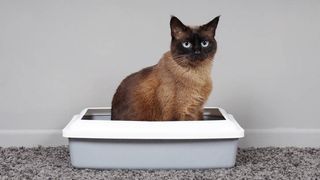
If you lot desire to keep your cats healthy and happy, it's important to understand how, and how frequently, to make clean litter boxes. A dirty litter box tin can accept a number of harmful effects on cats, from both a medical and behavioral standpoint. If you accept multiple cats sharing a litter box, a dirty litter box increases the likelihood of disease spreading betwixt your cats. Even if y'all only accept a unmarried true cat, a muddy litter box can have negative impacts.
Many cats get out of their mode to avert using a dirty litter box. At best, this could mean that your cat begins urinating and defecating outside of the litter box, developing a house-soiling habit that could exist hard to break. A more serious result, notwithstanding, is that your cat may begin to hold their urine and feces for an abnormal amount of time. Prolonged urine retentiveness can result in feline lower urinary tract disease. Prolonged retention of carrion can not only consequence in constipation, information technology can besides stretch the colon to an unhealthy extent, resulting in a status called megacolon. In order to prevent these problems, you want to ensure that your true cat e'er has access to a make clean and welcoming litter box.
- How to keep cat litter off the floor
- Best true cat litter subscriptions
- 11 ingenious means to hibernate the litter box
How ofttimes should a litter box be scooped?
Conventional, clumping clay litter should be scooped once daily. Use a commercially-available litter scoop to remove all visible clumps of urine and carrion from your true cat'due south litter box on a daily basis. This helps ensure that the litter box remains make clean for your cat's use, while too helping to control odors associated with urine and feces.
How often should you modify your cat's litter?
Even if you are scooping daily, y'all also demand to change your true cat'southward litter on a regular footing. Fifty-fifty the best litter does not clump perfectly, meaning that some amount of urine and carrion is always left behind after you scoop your true cat'due south litter. Over time, this urine and carrion contributes to odors within the litter box, which are unpleasant for your cat.
In full general, you should completely change your true cat's litter every ane to 4 weeks. If multiple cats are using your litter box, weekly changes may exist necessary. In the case of a litter box that is located in a low-traffic area of the home and rarely used, monthly litter changes may be acceptable. Alter your true cat'southward litter as soon equally you notice that the litter is beginning to appear "muddy", even after scooping.

Litter box cleaning hacks
The first step to cleaning a litter box is to empty out all of the one-time litter. In many cases, the easiest way to do this is to pull a trash purse over the entire litter box (or the lower portion of the litter box, if your box has a lid). Then, gradually lift the litter box out of the bag. This is often a less messy approach than attempting to pour litter into a trash can!
Next, yous volition need to thoroughly clean your cat'southward litter box. Avoid using strong disinfectants or strong-smelling cleaners, considering these may be unpleasant for your true cat and decrease the chances of them using the litter box later on cleaning. Your best option is to clean the litter box with water and gentle dish soap. After thoroughly scrubbing all surfaces of the litter box, ready it outside in the sun to dry out and "air out."
Once the litter box is completely dry out, you are fix to add new litter to the box. Information technology'due south of import to know how much litter to put in the litter box. If you use a traditional clumping litter, yous should add approximately 3 inches of litter to the bottom of your cat'due south litter box. (If yous apply a non-clumping litter, you can instead add 2 inches of litter.) This provides a thick enough layer of litter for your cat to bury their eliminations, while also reducing the likelihood of urine soaking through to the lesser of the box.
Benefits and disadvantages of a self-Cleaning litter box
Many owners endeavour to avert daily litter box maintenance by purchasing a self-cleaning litter box. In that location are a number of cocky-cleaning boxes on the market, including the Litter Robot, the Purina Tidy Cats Litter Breeze Organisation, and the Cat Genie. Some of these litter boxes, similar the Litter Robot, employ conventional litter combined with an automatic scooping feature. These litter boxes contain a reservoir that must exist emptied regularly, and also require weekly or monthly cleaning (like a conventional litter box.) Other litter boxes, similar the Breeze Organisation, combine specialized pellets with absorbent pads to replace daily scooping, although you volition still need to clean the litter box on a regular ground. Finally, systems like the Litter Genie employ washable granular "litter" and connect to your home's plumbing, in order to provide a true cocky-cleaning characteristic.
Self-cleaning litter boxes accept their pros and cons. The pros are probably obvious. Most true cat owners find daily litter scooping to be an unpleasant function of cat ownership; eliminating this chore is an appealing option! Yet, there are also potential drawbacks to these sorts of systems. Manifestly, these systems are associated with a higher upward-front cost than a conventional litter box. More than importantly, however, some cats balk at self-cleaning litter boxes. Many cats prefer dirt, clumping litter to pellets or washable granules, which may make them reluctant to use self-cleaning litter boxes that use these types of litter. Additionally, the scooping or cleaning characteristic of self-cleaning litter boxes tin exist noisy, leading cats to be concerned virtually using the litter box.
If you elect to use a self-cleaning litter box, make sure that your cat yet has admission to a conventional litter box, at least during the initial transition menses. Providing access to a conventional box will reduce the chances of your true cat having accidents or developing a medical status as a result of holding their urine or feces for also long.
Decision
Role of responsible cat ownership is knowing how and how often to clean litter boxes. While it'south important to scoop your cat's litter daily (or use a self-scooping litter box), don't forget the importance of thoroughly changing the litter and scrubbing your cat's litter box every few weeks. Keeping your cat'due south litter box clean and inviting will reduce the likelihood of accidents and also reduce the likelihood of elimination-related medical issues.

Source: https://www.petsradar.com/advice/do-you-know-how-and-how-often-to-clean-litter-boxes
Posted by: chmielewskinothead1991.blogspot.com
0 Response to "How Often Do You Clean The Litter Box And Dump The Litter"
Post a Comment